

As a provider that produces proven literacy results for elementary students and a partner to Duval County Public Schools (DCPS), READ USA was recently asked to provide an additional level of support to students who are struggling to read at grade level in third to fifth grades.
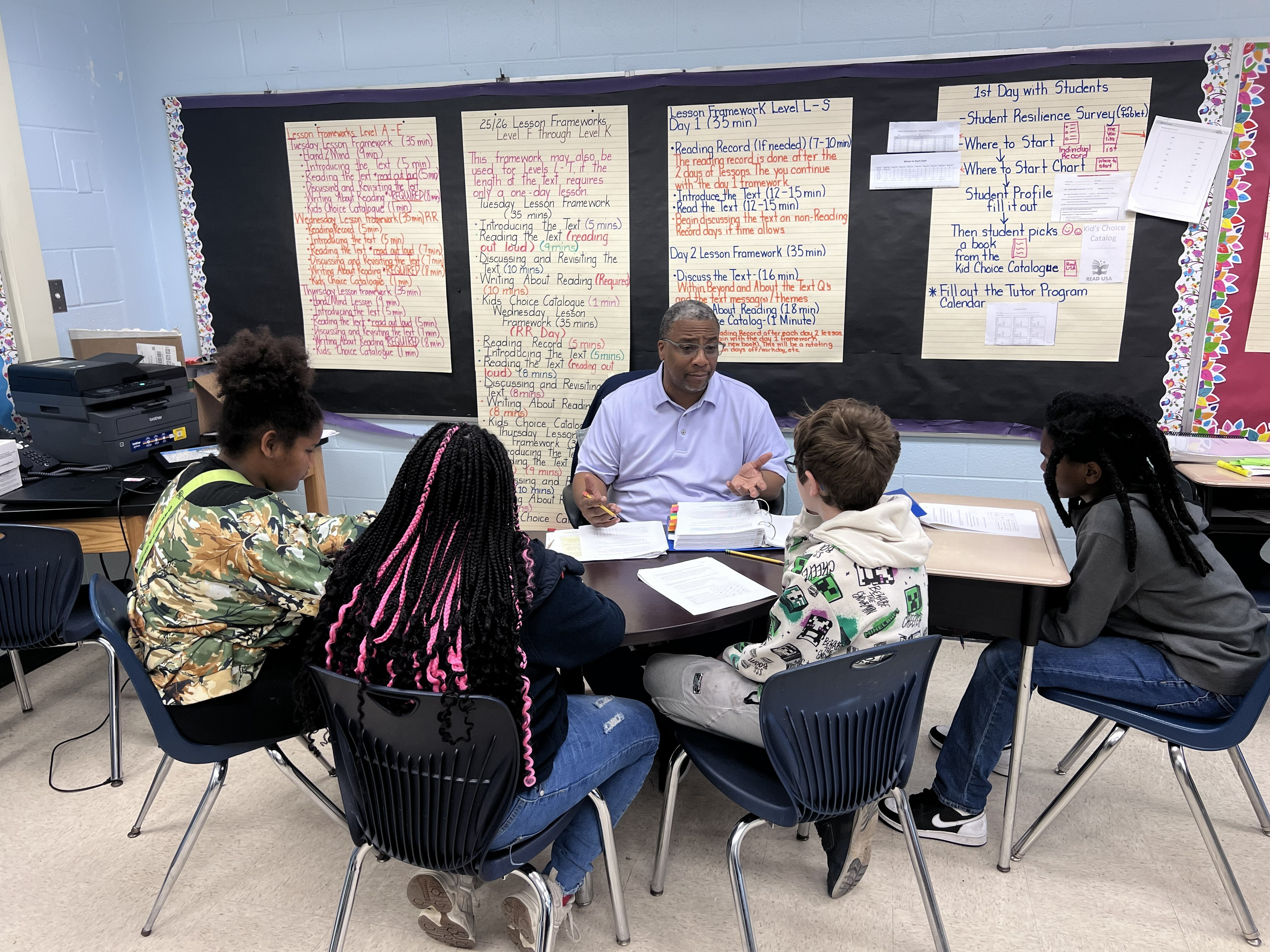
At the district’s request, READ USA leveraged public dollars and private philanthropy to hire and deploy retired reading teachers to select elementary schools to provide daily, small-group literacy tutoring to elementary students who are below grade-level reading proficiency. While this is different from our traditional Literacy Tutoring model, this effort is intended to help even more students become proficient between now and May.
"READ USA consistently improves the reading skills of our elementary students who are the furthest behind in reading," shared DCPS Superintendent Dr. Christopher Bernier. "READ USA quickly mobilized resources when we asked for their help, recruiting an incredible group of retired literacy experts who are already making great progress with our students. We are grateful for our ongoing partnership with READ USA."
“Through this public-private partnership, READ USA is proud to add capacity to the school district at a critical time and help more students read at or above grade level,” shared Dr. Rob Kelly, READ USA President & CEO. “READ USA is in a unique position to be able to respond and assemble resources quickly to maximize our impact on students. We look forward to sharing the results of these efforts later this year.”
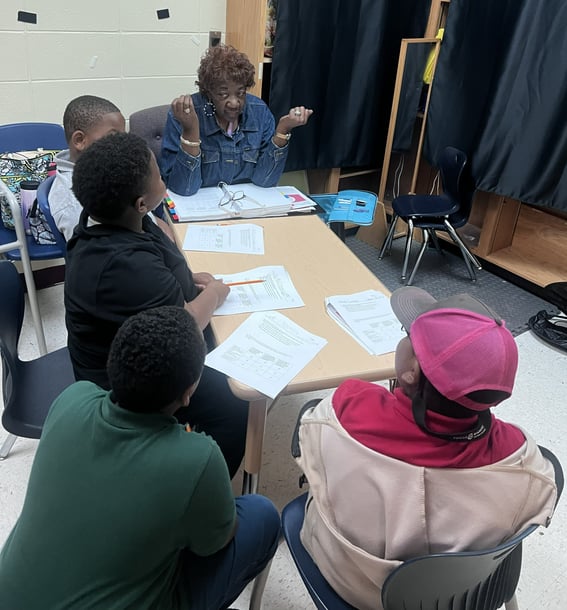
Stay tuned for updates from READ USA about the results of this initiative!
Two Ways to Make an Impact This Month — Join Us!
At READ USA, we believe that literacy and workforce readiness go hand in hand.
From helping a child discover the joy of reading to helping a teen prepare for their first job, your time and support can change a life trajectory—and we have two exciting opportunities this month for you to support students at different stages of their journey!
Whether you’re passionate about workforce development, literacy, or both, there’s a place for you to get involved!
Shape America’s Future Workforce: Join Mock Interview Day
Help prepare high school students for what comes next in life!
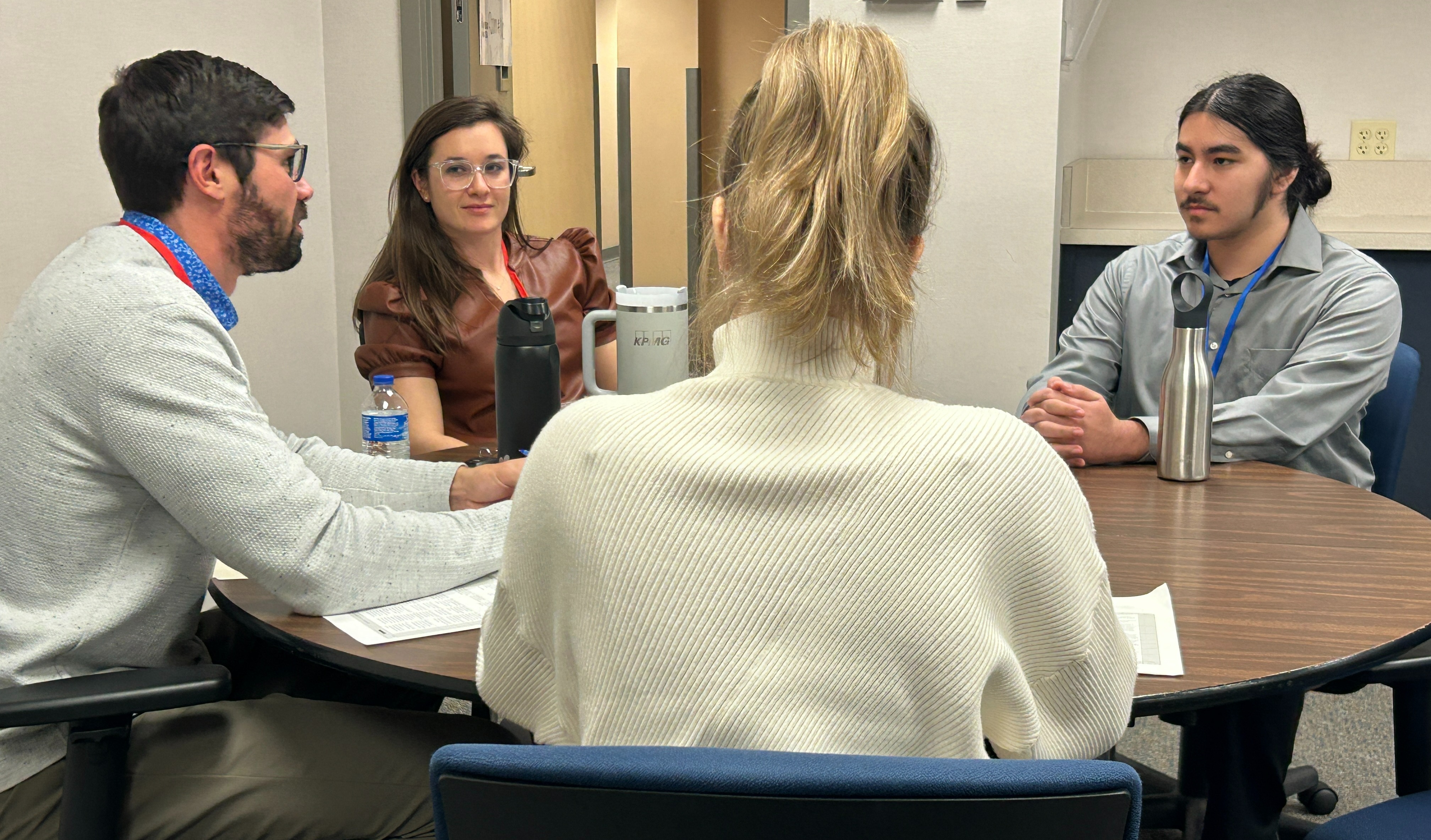
At READ USA’s Mock Interview Day, volunteers sit one-on-one with students to conduct practice interviews, ask common interview questions, and provide real-time feedback. For many students, this is their first exposure to a professional interview setting, and your guidance can make all the difference.
By volunteering, you’ll help students:
- Build confidence in a professional setting
- Strengthen communication and critical thinking skills
- Gain valuable feedback they can use in real interviews
No HR experience is required (truly!) — just a willingness to encourage, listen, and support the next generation.
Saturday, April 25th
9:00 a.m. - 1:00 p.m.
The Schultz Center (4019 Boulevard Center Drive, Jacksonville, FL 32207)
Doors open at 8:30 a.m., and lunch will be provided.

Bring the Joy of Reading to Life: Volunteer at a Book Fair!
Our READ USA Book Fairs, running from April 8 to May 6 (and more to be announced soon!), are some of the most joyful events of the year.
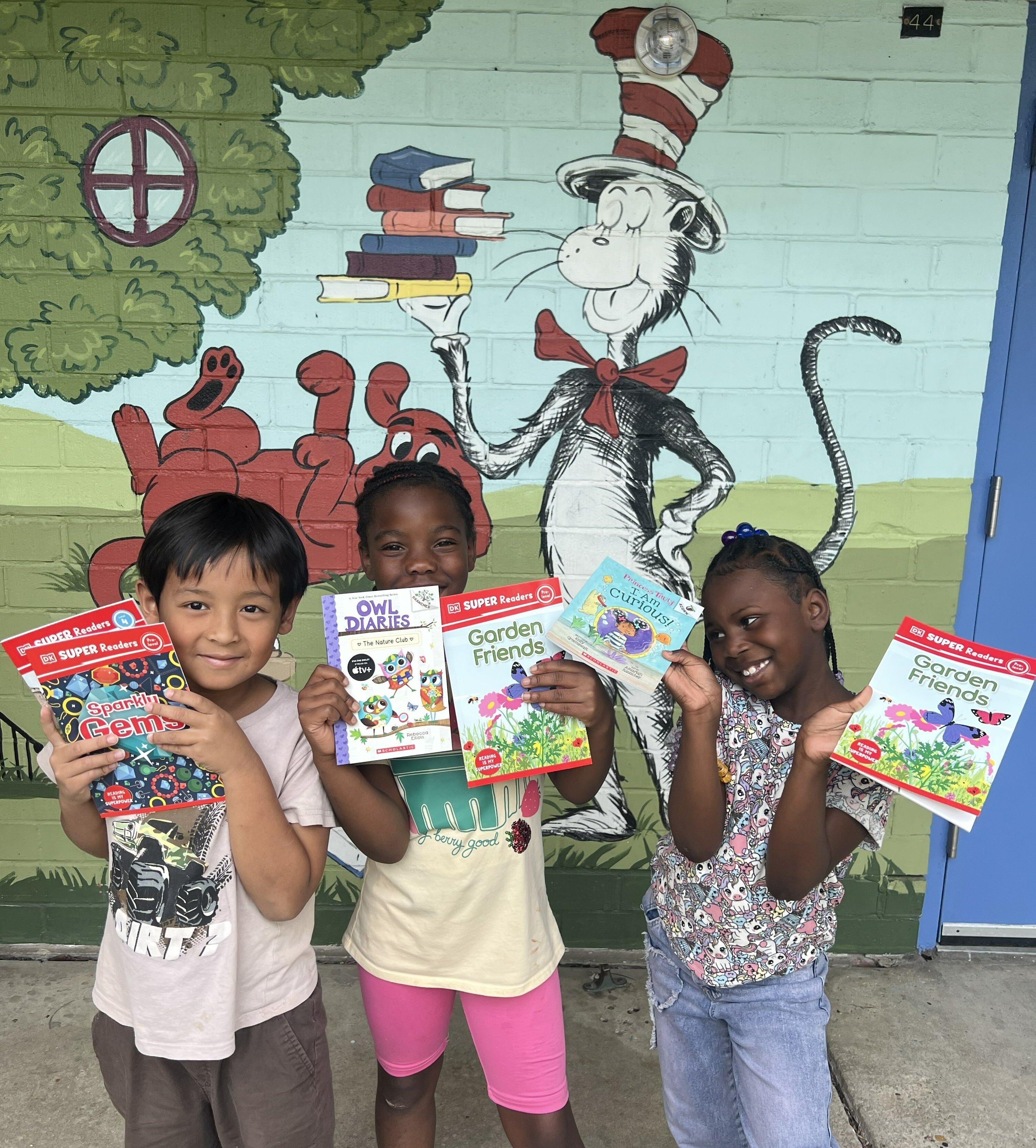
Volunteers help students choose books, build their home libraries, and experience the excitement of reading—all in one effort!
Volunteering at a READ USA Book Fair is fast-paced, hands-on, and incredibly rewarding. Tasks include:
- Help students select books they’re excited about
- Assist with organizing and restocking book tables
- Place pre-printed labels with students’ names in their books
- Encourage and celebrate students’ excitement to read their new books!

We look forward to seeing you at a READ USA event soon!
#FastFacts Wednesday: April Fools, School Libraries & the People Who Power Them
This week’s #FastFacts Wednesday brings a little fun and a lot of appreciation as we highlight three April observances that remind us why literacy, and the people who support it, matter every day.
April Fools’ Day
April Fools’ Day, celebrated on April 1, dates back to at least the 1500s. One popular theory links it to France’s shift to the Gregorian calendar, when New Year’s celebrations moved from April to January, and those who didn’t get the memo became the subject of playful jokes.
#FastFact: More than half of people say they’ve pulled an April Fools’ prank, and nearly two-thirds say they’ve been on the receiving end of one (WFXB News, 2024).
April Fools’ Day also highlights something important: understanding tone, context, and wordplay are all key components of strong reading comprehension, proving that even humor relies on strong literacy skills!
April is School Library Month
April is School Library Month, established in 1985 by the American Association of School Librarians (AASL) to recognize the vital role school libraries play in student success.
As much as they are welcoming places to check out books, school libraries are also centers for discovery, research, and skill-building! School libraries help extend learning beyond the classroom, giving students more opportunities to practice and grow as readers.
#FastFacts: A 2023 study found that students in schools with a full-time librarian scored significantly higher on reading tests than similar students without one, and decades of research consistently show a positive relationship between strong library programs and higher reading achievement (ScienceDirect, 2023; Kappan, 2019).
At READ USA, we know that access to books is foundational—which is precisely why we host our free READ USA Book Fairs every year!
National Library Workers Day: Tuesday, April 21
National Library Workers Day, celebrated on April 21, was established in 2004 by the American Library Association (ALA) to honor the dedicated individuals who keep libraries running.
Library workers do far more than manage books; they also guide learning, connect people to resources, and create welcoming spaces for all.
#FastFact: Public libraries across the U.S. receive over 800 million visits each year, thanks in large part to the work of library staff who make those spaces accessible and impactful (Institute of Museum and Library Services, Public Libraries Survey).
At READ USA, we are especially grateful for our partners at the Jacksonville Public Library and the many library professionals who help expand access to literacy resources across our community!
From a little laughter to a lot of learning, April reminds us that literacy is everywhere!
There are a number of observances celebrated in April, so stay tuned for the next edition of #FastFacts Wednesday soon!
Meet Our Teachers at Twin Lakes Academy Elementary
This week, we’re shining the spotlight on the incredible teachers who help bring READ USA Literacy Tutoring & Workforce Development to life at Twin Lakes Academy Elementary!
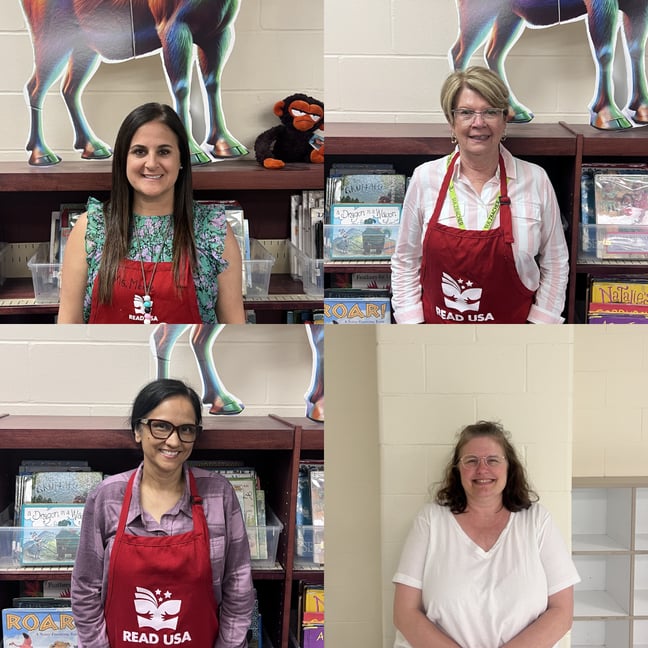
#FastFact about Twin Lakes Academy: Twin Lakes serves a highly diverse student population. Of the nearly 800 students on campus, 79% are minority students, creating a vibrant, inclusive learning environment right here in Jacksonville (source: Florida Department of Education). That diversity strengthens collaboration, perspective, and opportunity — all key ingredients for strong readers and future leaders.
From supervising and providing in-the-moment support to our teen tutors and AmeriCorps Tutor Leaders to ensuring that our programming is delivered with fidelity and that data and reporting are accurate, our READ USA teachers make sure that everything operates effectively and efficiently and that students achieve their literacy goals!
Meet our Teachers at Twin Lakes Academy Elementary below and read why they love the work they do at READ USA—and show them some love on social media HERE!
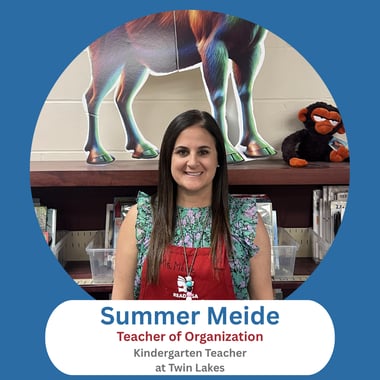
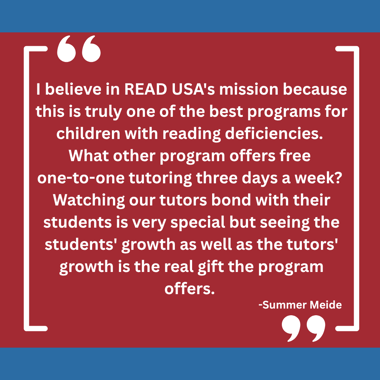
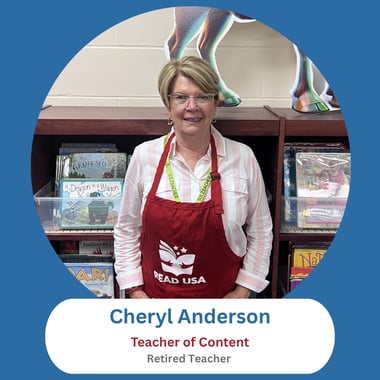
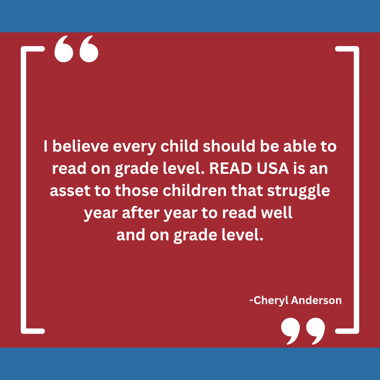
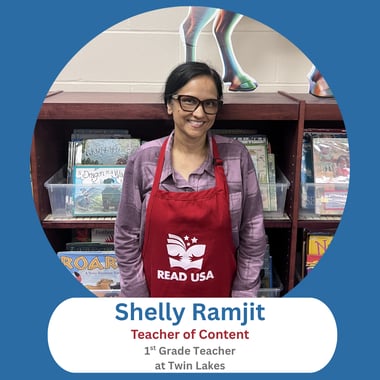
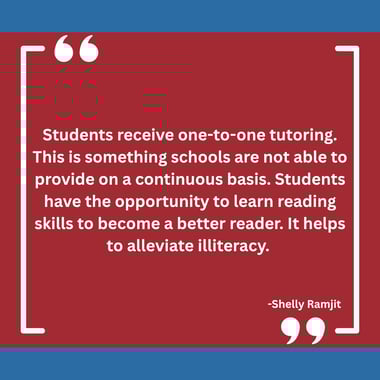
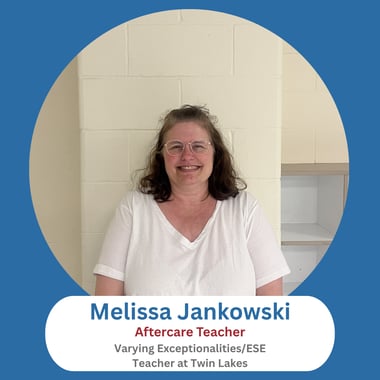
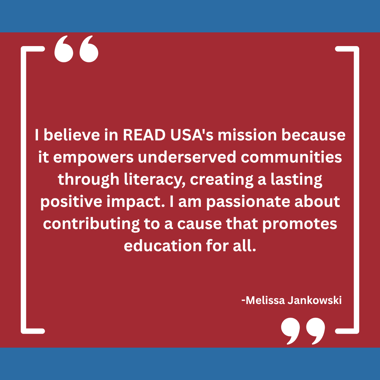
To better understand the unique role that each of our teacher’s play in our programming, read below:
Teachers of Content are responsible for all literacy content needs of READ USA Literacy Tutoring, ensuring seamless delivery of literacy content needs at each school site. Specifically, Teachers of Content coach and annotate tutor next steps and observations, model lesson parts, and provide tutor professional development. Importantly, they also audit and monitor student literacy growth and oversee student assessments, among other responsibilities.
Teachers of Organization oversee all operational needs of READ USA Literacy Tutoring. This essential role ensures smooth and efficient program delivery, from managing communications with schools, parents, and READ USA staff to collecting and entering weekly student data. Teachers of Organization also handle student discipline, transportation support, and provide oversight of the READ USA aftercare program.
Aftercare Teachers monitor and provide guidance to elementary students awaiting their Literacy Tutoring sessions each day. They are also responsible for student attendance, supper, and snack tracking, and deliver supplemental literacy programming, such as read-alouds and other literacy-focused activities.
THANK YOU to our incredible teachers at Twin Lakes Academy Elementary for all you do for our students and teens!
Children's Book: The Worry-Worry Whale and the Classroom Jitters by Deborah Diesen
During the coming months in our weekly children’s book review, READ USA will feature the Top 10 Finalists for the 2025-2026 Florida Literacy Association Children’s Book Award. There were 10 finalists in the Grades K-2 category and 10 for the Grades 3-5 category for a total of 20 books, but only one will be the ultimate winner!
To view the full list of finalists, click here.
First up for this week is The Worry-Worry Whale and the Classroom Jitters by Deborah Diesen
Top 10 Finalist in K-2 category | Pictures based on illustrations by Dan Hanna 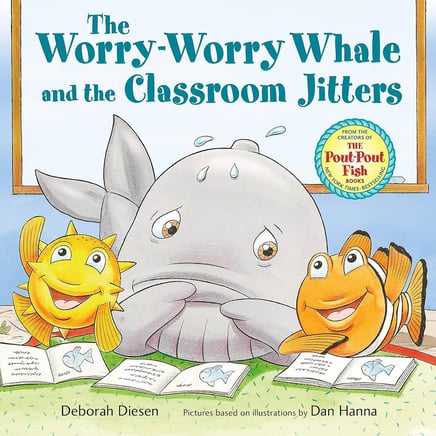
Starting something new can feel big—and sometimes a little scary. In The Worry-Worry Whale and the Classroom Jitters, author Deborah Diesen creates a comforting story for children experiencing first-day nerves.
As Whale prepares for a new classroom experience, worries begin to grow. But with reassurance, support, and small steps forward, those worries begin to shrink.
The gentle, rhythmic text and friendly illustrations create a safe space for children to see their own feelings reflected and understood.
This book offers both comfort and confidence, reminding readers that it’s okay to feel nervous—and that they are stronger than their worries.
Parent Education Corner: Print Awareness—Letters, Words, and How Print Works
Something very special happens as we read aloud to our children. They are learning to enjoy and understand stories even before they can read their first word. Another important aspect of reading with children is they begin to see themselves as readers, whether they are reading conventionally or not.
For example, when reading The Three Little Pigs, your 3-year-old can “read” the story by looking at the pictures. While reading aloud, an important area of early reading behavior begins to take place with our preschoolers: print awareness.
Here are ways to help your child to develop this important early reading behavior:
- Help your child learn how to hold a book correctly
- As you read books together, show your child that you are reading from front to back and from left to right. Let your child turn the pages.
- Emphasize as you read that you are reading the print, not the pictures.
- Explain that the story is over when you reach the last page (and something important happens).
- As your child helps in the kitchen, point out the names on the food boxes and cans and the ingredients as you read the recipe.
- Point out and read road signs and store signs as you travel in the car.